When most people imagine pilots, they picture sharp uniforms, complex cockpits and thrilling journeys through the clouds. What often goes unnoticed, however, is the tremendous physical and mental discipline required to sit confidently behind those controls.
Flying an aircraft isn’t just about technical skills; it’s about endurance, alertness and resilience. Every decision, reaction and movement depends on how well a pilot’s body and mind perform under pressure.
Before any aspiring pilot can turn their passion for fitness and flying into real cockpit experience, there’s one official checkpoint that ties it all together – the DGCA Class 2 Medical. Physical stamina, mental clarity, emotional balance and overall health aren’t just good habits in aviation; they are formal eligibility requirements assessed by the Directorate General of Civil Aviation. The DGCA Class 2 Medical is designed to ensure that a candidate is medically fit to handle the physical and psychological demands of flight training. Understanding this medical assessment helps aspiring aviators to see how their fitness routine directly supports their pilot eligibility, not just their performance.
For aspiring aviators, understanding the importance of fitness, both physical and mental, is as critical as mastering aerodynamics or navigation. Let’s explore how staying fit, focused and balanced forms the true foundation of a safe and successful aviation career.
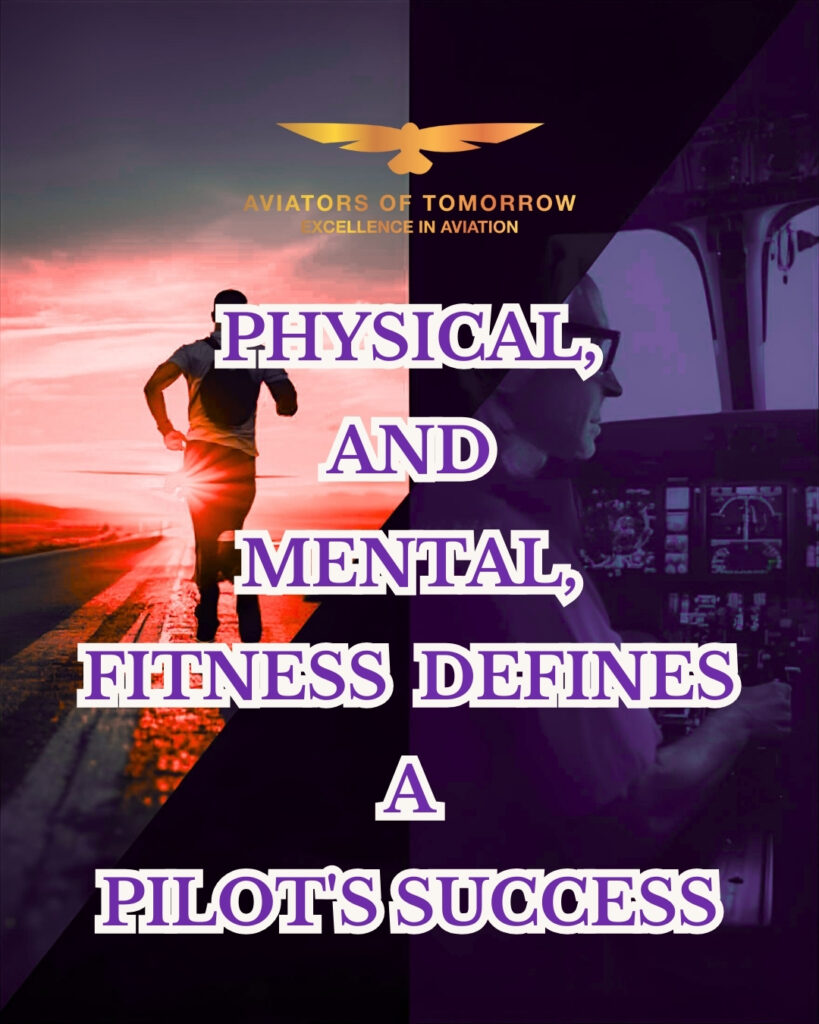
Table of Contents
Physical Fitness: The Engine Behind Performance
Flying might appear effortless from the passenger seat, but for pilots, it’s an activity that demands exceptional stamina, coordination and strength. Long hours in the cockpit, irregular sleep schedules and changing altitudes can take a toll on the body if it’s not prepared to handle them.
1. Endurance for Long Flights
Pilots often work long shifts, sometimes crossing multiple time zones. Fatigue can quickly become an invisible enemy, reducing reaction times and focus. Maintaining cardiovascular fitness through regular exercise, such as running, swimming, or cycling, helps build stamina and keeps energy levels consistent during extended flights.
2. Posture and Muscular Health
Sitting for hours at a stretch can strain the back, neck and shoulders. Strength training, stretching and core workouts are essential to prevent chronic pain and muscle stiffness. A physically strong pilot is better equipped to handle the physical demands of flying, from pre-flight checks to emergency maneuvers.
3. Cardiovascular and Respiratory Health
Cabin pressure changes and high-altitude flying can affect oxygen intake and circulation. A healthy heart and lungs ensure a pilot’s body functions efficiently in varying air pressures. Aerobic exercises improve overall endurance and maintain oxygen efficiency, crucial for alertness and clarity.
4. Weight Management and Nutrition
Physical fitness also ties losely to nutrition and body weight. Maintaining a balanced diet supports energy levels and reduces the risk of medical complications. Pilots who eat right, hydrate properly and manage their weight, can better handle the physical stress of aviation environments.
Mental Fitness: The True Pilot’s Compass
A pilot’s job isn’t just to fly; it’s to make critical decisions under pressure, sometimes within seconds. That level of responsibility demands peak mental clarity, emotional stability and situational awareness.
1. Managing Stress and Fatigue
From weather turbulence to technical malfunctions, stress is an unavoidable part of aviation. What defines a good pilot is how effectively they manage it. Techniques like controlled breathing, mindfulness and meditation can help regulate stress hormones and maintain focus during demanding situations.
2. Decision-Making Under Pressure
Every flight presents countless micro-decisions, some routine, others life-changing. Mental fitness allows pilots to think calmly, process information logically and prioritise safety even when external factors are overwhelming. Regular mental conditioning and scenario-based training help sharpen this decision-making ability.
3. Situational Awareness and Focus
Distraction can be deadly in aviation. Pilots must constantly scan instruments, weather conditions and ATC communication while maintaining awareness of their aircraft’s position. A strong, rested mind helps sustain focus and multitasking ability, preventing tunnel vision during critical moments.
4. Emotional Resilience
Pilots often deal with unpredictable situations, delays, emergencies, or difficult weather. Emotional resilience ensures they stay composed, confident and capable of leading the crew effectively. Developing emotional intelligence through reflective practices and stress management builds the foundation for calm, clear-headed flying.
Fill out the form below to get expert guidance on fitness standards, medical readiness and pilot training pathways.
Stand a chance to win 100% scholarship & start training with India’s trusted aviation institute. Apply & Check Eligibility.
Apply Now!The Impact of Fatigue: A Silent Threat
Fatigue is one of the most common risks in aviation. Long hours, jet lag and irregular sleep patterns can severely affect judgement, coordination and reaction times.
To combat fatigue, pilots must:
- Follow consistent sleep routines, even during layovers.
- Limit caffeine and alcohol before flights.
- Engage in light exercise between flights to boost circulation.
- Use rest periods wisely for quality sleep rather than screen time.
Understanding fatigue isn’t just about avoiding tiredness, it’s about preserving mental sharpness that can make or break a safe flight.
The Science of the Mind-Body Connection
What’s fascinating is that physical and mental fitness do not operate separately, they complement each other. A strong body supports mental endurance, while a calm, disciplined mind drives physical consistency.
Regular physical activity releases endorphins, chemicals that improve mood, reduce stress and enhance focus. Similarly, mental training like meditation or journaling improves self-discipline, which translates directly into maintaining a fitness routine.
Together, they form a cycle that strengthens a pilot’s overall performance, alertness and well-being.
Practical Ways for Aspiring Pilots to Stay Fit
Building and maintaining fitness doesn’t require an extreme lifestyle. It’s about consistency, balance and discipline qualities every pilot must master anyway.
Here’s how aspiring aviators can start:
- 🏃♂️ Move daily: Even 30 minutes of walking, jogging, or cycling improves stamina.
- 🧘♀️ Incorporate mindfulness: practice meditation or breathing exercises to control stress.
- 🍎 Eat clean: prioritise whole foods, hydration and portion control over crash diets.
- 💤 Prioritise rest: Sleep is not optional; it’s part of a pilot’s professional routine.
- 🧩 Train your brain: Use puzzles, reading, or flight simulations to enhance focus and memory.
These simple habits gradually build the discipline and awareness every aviator needs long before stepping into a real cockpit.
Do You Know?
Your physical fitness directly impacts your DGCA Class 2 Medical eligibility.
To begin pilot training in India, aspirants must meet specific DGCA Class 2 Medical criteria related to eyesight, BMI, cardiovascular health and overall physical fitness. Understanding these requirements early can save time, stress and repeated medical tests.
Read the complete “DGCA Class 2 Medical full guide“
Conclusion
The skies demand more than skill, they demand stamina, clarity and control.
For pilots, fitness isn’t a side goal, it’s part of the job description. A strong body supports long hours in flight, while a resilient mind ensures smart, composed decisions when it matters most.
Aspiring pilots who take physical and mental well-being seriously aren’t just preparing for flight school, they’re building the foundation for a sustainable, successful career. In aviation, true excellence isn’t just measured by how well you fly, but by how well you balance your body, mind and mission.
Ready to take the first real step toward the cockpit?
Submit the form now and get personalised support on pilot training, medical fitness and your aviation career roadmap.
Stand a chance to win 100% scholarship & start training with India’s trusted aviation institute. Apply & Check Eligibility.
Apply Now!