AI in aviation is revolutionizing how we fly. This technology is changing everything from aircraft maintenance to passenger experiences, making air travel safer, faster and more efficient than ever before. The implementation represents one of the most significant technological shifts in the history of flight.
The aviation industry generates enormous amounts of data every day. Every flight, every engine, every system creates information that can improve operations. AI in aviation processes this data at speeds impossible for human operators, finding patterns and insights that lead to better decisions and safer flights.
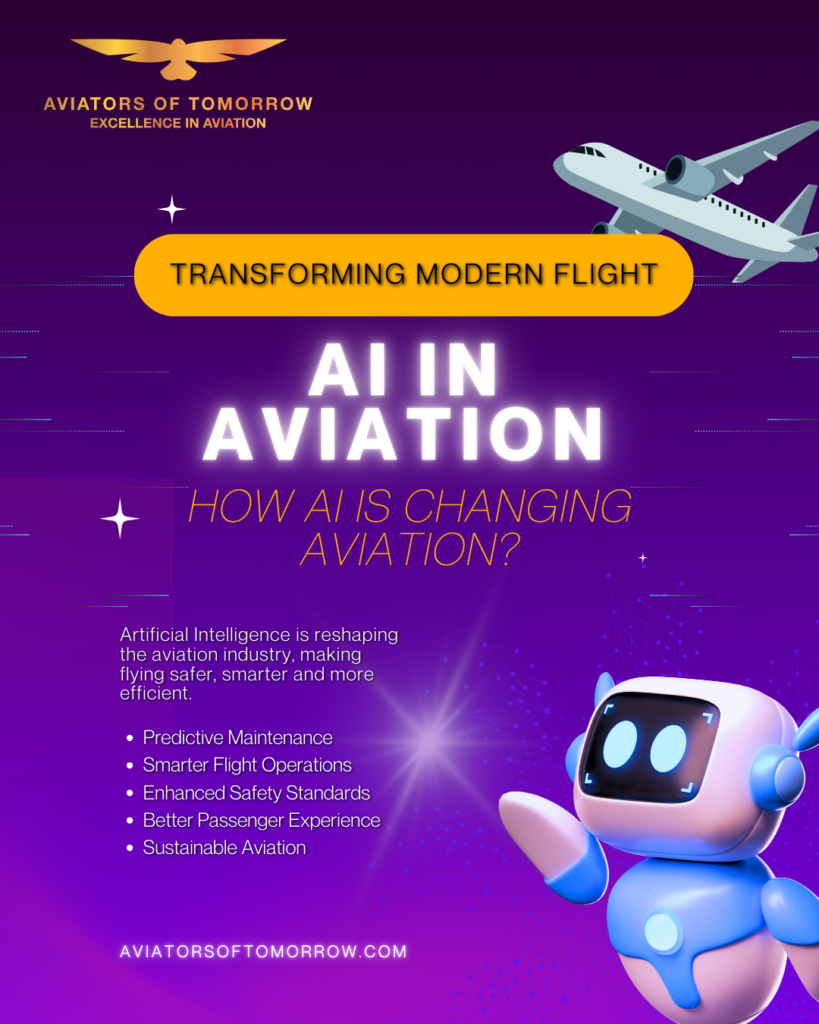
Table of Contents
AI in Aviation: How AI Transforms Flight Operations
Modern planes create massive amounts of data during every flight. Artificial intelligence in aviation turns this data into useful insights that improve operations.
Key Benefits:
- Predicts maintenance needs before problems occur
- Monitors engine performance in real time
- Reduces unexpected aircraft breakdowns
- Cuts maintenance costs significantly
- Improves overall flight reliability
Airlines using AI in aviation systems can predict when parts need replacing weeks or months in advance. This means fewer flight cancellations and happier passengers.
Making Air Traffic Smarter
Air traffic management is one area where AI aviation makes a huge difference. The skies are getting more crowded every year and traditional systems struggle to keep up.
What AI Systems Do:
- Track thousands of aircraft simultaneously
- Monitor weather patterns in real time
- Calculate the best flight routes automatically
- Reduce fuel consumption
- Minimize flight delays
- Lower carbon emissions
Major airports using artificial intelligence in aviation report 15-20% reductions in taxi times and significantly fewer delays. The technology predicts conflicts between aircraft hours ahead, letting controllers prevent problems before they happen.
Data Analytics and Decision Making
AI aviation systems excel at analyzing complex data sets that would overwhelm human analysts. Modern aircraft have thousands of sensors monitoring everything from fuel flow to cabin pressure.
Data Processing Capabilities:
- Analyzes millions of data points per second
- Identifies trends across entire fleets
- Compares performance between aircraft
- Detects anomalies automatically
- Generates actionable recommendations
- Improves decision making speed
Airlines use advanced systems to compare aircraft performance across their entire fleet. If one plane uses more fuel than similar aircraft on the same route, the system flags this for investigation. This level of analysis helps airlines optimize every aspect of their operations.
Operational Insights:
- Route efficiency analysis
- Fuel consumption patterns
- Maintenance trend identification
- Performance benchmarking
- Cost optimization opportunities
- Schedule improvement suggestions
The power of AI in aviation lies in its ability to find connections humans might miss. By analyzing data from thousands of flights, these systems identify the most efficient ways to operate aircraft under different conditions.
Better Experiences for Passengers
AI in aviation has completely changed the passenger journey. From booking tickets to landing at your destination, artificial intelligence works behind the scenes.
Passenger Benefits Include:
- 24/7 customer service through smart chatbots
- Personalized flight recommendations
- Faster check in with facial recognition
- Reduced lost luggage incidents
- Better in flight entertainment options
- Quicker security screening
Airlines use AI aviation to understand what passengers want and deliver personalized services. The system learns your preferences and suggests upgrades or connections that match your travel style.
Do You Want to Become a Future Pilot?
Modern aviation now includes AI, advanced aircraft systems and smart flight operations.
👉 Join DGCA Ground Classes
Stand a chance to win 100% scholarship & start training with India’s trusted aviation institute. Apply & Check Eligibility.
Apply Now!Predictive Maintenance Revolution
Maintenance costs airlines billions every year. Artificial intelligence aviation is changing this through predictive maintenance.
Traditional vs. AI Maintenance:
Traditional approach:
- Fixed schedules based on flight hours
- Replace parts on predetermined dates
- Unexpected failures between services
- Higher spare parts costs
AI in aviation approach:
- Service based on actual component condition
- Predict failures weeks in advance
- Schedule repairs during planned downtime
- Reduce spare parts inventory
Airlines report 25-30% cost savings with predictive maintenance. The technology works especially well for expensive parts like engines and landing gear.
Enhanced Safety Standards
Safety is aviation’s top priority and AI aviation raises safety to new levels.
Safety Improvements:
- Analyzes millions of data points from every flight
- Detects subtle safety issues early
- Identifies training needs before incidents
- Predicts weather conditions accurately
- Provides detailed turbulence warnings
- Reduces weather related delays
Flight monitoring systems powered by advanced technology learn from millions of flights. They spot patterns that indicate risk and alert safety managers immediately.
Weather Forecasting and Route Planning
Weather affects every flight and AI in aviation has transformed how airlines handle weather challenges.
Weather Prediction Features:
- Processes satellite imagery in real time
- Analyzes atmospheric sensor data
- Predicts turbulence with high accuracy
- Forecasts wind patterns
- Identifies optimal flight altitudes
- Suggests route adjustments
Pilots receive detailed weather information from AI aviation systems long before encountering conditions. This allows them to adjust flight paths for passenger comfort and safety.
Route Planning Benefits:
- Avoids severe weather automatically
- Reduces turbulence encounters
- Improves on time performance
- Enhances passenger comfort
- Minimizes weather related delays
- Optimizes fuel efficiency in all conditions
Airlines using advanced weather systems report significant reductions in weather-related delays and diversions. The technology helps pilots make informed decisions about route changes and altitude adjustments.
Environmental Benefits
The aviation industry must reduce its environmental impact. AI in aviation helps achieve sustainability goals.
Fuel Efficiency Gains:
- Optimizes flight routes for minimum fuel use
- Calculates best altitudes and speeds
- Suggests real time adjustments to pilots
- Reduces ground fuel consumption
- Minimizes taxi times
- Coordinates with air traffic control
Smart planning systems using artificial intelligence aviation evaluate thousands of route options in seconds. These optimizations reduce fuel consumption by 3-5% across airline fleets.
Ground Operations:
- Single engine taxi recommendations
- Optimal engine start timing
- Reduced ground emissions
- Better coordination with controllers
Autonomous Flight Development
Autonomous aircraft represent the most ambitious use of AI in aviation. While fully autonomous passenger flights are years away, progress continues rapidly.
Current Developments:
- Cargo drones using AI navigation
- Delivery services testing autonomous systems
- Advanced autopilot capabilities
- Emergency decision making automation
- Fatigue detection for pilots
- Error pattern recognition
AI aviation systems combine data from cameras, radar, lidar and GPS to navigate safely. These systems adapt to weather changes, avoid obstacles and make decisions that previously needed human pilots.
The goal isn’t replacing pilots but augmenting their abilities. Smart co-pilot systems monitor pilot actions and provide alerts when needed, creating a safety partnership between humans and technology.
Real Time Flight Optimization
AI in aviation excels at making split second decisions during flights.
Real Time Capabilities:
- Process thousands of variables simultaneously
- Monitor weather developments continuously
- Track airspace congestion
- Recommend optimal altitudes
- Suggest route adjustments
- Identify emergency landing sites
These systems integrate data from satellites, air traffic control and onboard sensors. This comprehensive analysis helps pilots make better decisions faster.
Fleet Management Solutions
Airlines with large fleets benefit enormously from AI aviation management systems.
Fleet Optimization:
- Track hundreds of aircraft simultaneously
- Optimize aircraft utilization
- Schedule maintenance efficiently
- Coordinate crew assignments
- Match aircraft to routes
- Maximize revenue potential
Advanced platforms analyze booking patterns and market demand to recommend the best aircraft for each route. They also handle disruptions by quickly recalculating schedules when delays occur.
Training Tomorrow’s Professionals
AI in aviation transforms how pilots, mechanics and controllers learn their jobs.
Training Innovations:
- Virtual reality simulators
- Realistic emergency scenarios
- Adaptive learning systems
- Personalized training programs
- Performance analysis tools
- Augmented reality repair guides
Training systems powered by advanced technology adapt to each student’s learning speed. They provide extra practice where needed and accelerate through mastered concepts.
Maintenance Training Benefits:
- Step by step visual instructions
- Computer vision verification
- Reduced error rates
- Consistent quality standards
- Faster skill development
Cost Savings and Efficiency
AI in aviation delivers substantial cost savings across multiple areas of airline operations.
Financial Benefits:
- Reduced maintenance expenses (25-30% savings)
- Lower fuel consumption (3-5% reduction)
- Fewer flight delays and cancellations
- Optimized crew scheduling
- Decreased spare parts inventory
- Improved aircraft utilization
Airlines implementing AI aviation systems report millions in annual savings. These savings come from better decision making, predictive capabilities and operational optimization.
Efficiency Improvements:
- Faster turnaround times
- Better resource allocation
- Streamlined operations
- Reduced waste
- Enhanced productivity
- Improved profitability
The return on investment for intelligent systems typically occurs within 2-3 years, making it an attractive option for airlines of all sizes.
Cybersecurity Protection
Modern aircraft constantly communicate with ground stations, creating security challenges. AI in aviation provides essential protection.
Security Features:
- Network traffic monitoring
- Anomaly detection
- Threat response in milliseconds
- Vulnerability scanning
- Attack simulation
- Security recommendations
Artificial intelligence aviation security systems establish normal communication patterns and alert teams when deviations occur. This protection extends to air traffic control systems and airline reservation platforms.
Economic Transformation
AI in aviation is reshaping the entire industry economically.
Economic Benefits:
- Improved operational efficiency
- Higher customer satisfaction
- Better cost management
- New business models
- Competitive advantages
- Industry wide innovation
Aircraft manufacturers now incorporate AI aviation technology directly into new designs. Maintenance companies develop smart diagnostic tools. Technology startups create innovative solutions for specific aviation challenges.
Workforce Impact:
- Jobs evolving with automation
- New skills requirements
- Retraining programs
- Focus on AI system management
- Enhanced productivity
- Career development opportunities
Current Challenges
Despite its benefits, intelligent systems face several challenges.
Regulatory Issues:
- Frameworks lag behind technology
- Certification uncertainty
- Safety standard development
- Innovation balance
- International coordination
Privacy Concerns:
- Detailed passenger data collection
- Privacy rights protection
- Ethical guidelines needed
- Transparency requirements
- Passenger data control
Technical Hurdles:
- System reliability demands
- Explainability requirements
- Performance maintenance
- Decision transparency
- Error prevention
Aviation safety demands extremely high reliability. When AI aviation systems make safety decisions, operators must understand the reasoning behind them.
The Future of Aviation
Looking ahead, AI in aviation will bring capabilities that seem futuristic today.
Emerging Technologies:
- Quantum computing applications
- Hypersonic flight management
- Urban air mobility solutions
- Space tourism support
- Electric aircraft optimization
- Advanced automation systems
Urban Air Mobility: Electric vertical takeoff and landing aircraft (eVTOLs) will rely heavily on artificial intelligence in aviation for:
- Autonomous operation
- Fleet management
- Network integration
- Safety systems
- Traffic coordination
These aircraft could revolutionize city transportation by reducing ground congestion and creating new travel options.
Space Applications: Space tourism and commercial space flight will need AI aviation to manage:
- Extreme speed conditions
- Life support systems
- Navigation challenges
- Emergency procedures
- Environmental extremes
Technologies developed for conventional aviation will form the foundation for these new industries.
Integration and Evolution
The integration of artificial intelligence aviation will deepen significantly.
Future Integration:
- Comprehensive operational platforms
- Route planning optimization
- Crew scheduling automation
- Passenger service enhancement
- Maintenance coordination
- Ecosystem management
These integrated systems will optimize everything simultaneously, creating unprecedented efficiency gains across the entire industry.
Industry Collaboration Needs:
- Manufacturer cooperation
- Airline participation
- Regulator involvement
- Technology provider partnerships
- Research investment
- Infrastructure development
You may our blog “Angle of Attack Explained: How Aircraft Generate Lift and Avoid Stall“
Conclusion
The aviation industry’s adoption of AI in aviation represents a fundamental shift in how we think about flight. Artificial intelligence in aviation makes air travel safer, more efficient, more sustainable and more accessible.
Key Takeaways:
- AI prevents problems before they happen
- Safety standards reach unprecedented levels
- Environmental impact decreases significantly
- Passenger experiences become personalized
- Operational costs drop substantially
- Innovation accelerates industry wide
The Directorate General of Civil Aviation (DGCA) plays a pivotal role in this transformation, establishing regulatory frameworks that govern the integration of AI technologies across Indian aviation. By developing AI-specific compliance standards, certification protocols and oversight mechanisms, DGCA ensures that innovation does not come at the cost of safety. Its collaboration with airlines, airports, and technology providers creates a structured pathway for responsible AI adoption, aligning India’s aviation sector with global best practices.
Success requires collaboration across the entire industry with DGCA at the regulatory helm. It demands investment in infrastructure, training and research while maintaining unwavering commitment to safety.
The Path Forward: As we enter this new era, AI aviation guided by DGCA oversight offers exciting possibilities:
- Self maintaining aircraft certified under DGCA airworthiness standards
- Delay free air traffic systems integrated with DGCA’s ATM frameworks
- Personalized passenger experiences
- Sustainable aviation practices aligned with DGCA environmental mandates
- Enhanced safety protocols approved under DGCA regulatory guidelines
- Revolutionary mobility solutions
The aviation industry has always pushed boundaries. Artificial intelligence in aviation, supported by robust DGCA regulation and governance, provides the tools to push those boundaries further than ever imagined. The transformation has only just begun, with the most significant changes still ahead.
The future of flight is intelligent, regulated and responsible and that future is arriving now.
Start Your Aviation Career
To understand modern aviation topics like AI, aircraft systems and flight operations, you need strong DGCA subject preparation.
👉 Join Our DGCA Ground Classes
Stand a chance to win 100% scholarship & start training with India’s trusted aviation institute. Apply & Check Eligibility.
Apply Now!