Digital Twin Technology in Aviation is transforming how aircraft are designed, monitored and maintained. Digital Twin Technology in Aviation is rapidly becoming a core innovation in modern aviation, helping airlines improve efficiency, safety and operational performance.
Rather than waiting for faults to appear during scheduled inspections, engineers can monitor a live virtual model of an aircraft and identify potential issues before they affect the real aircraft. This approach allows airlines, maintenance organisations and aviation professionals to make faster and smarter operational decisions.
As aviation technology continues to advance, digital twins are becoming a key part of modern aircraft operations and maintenance strategies.
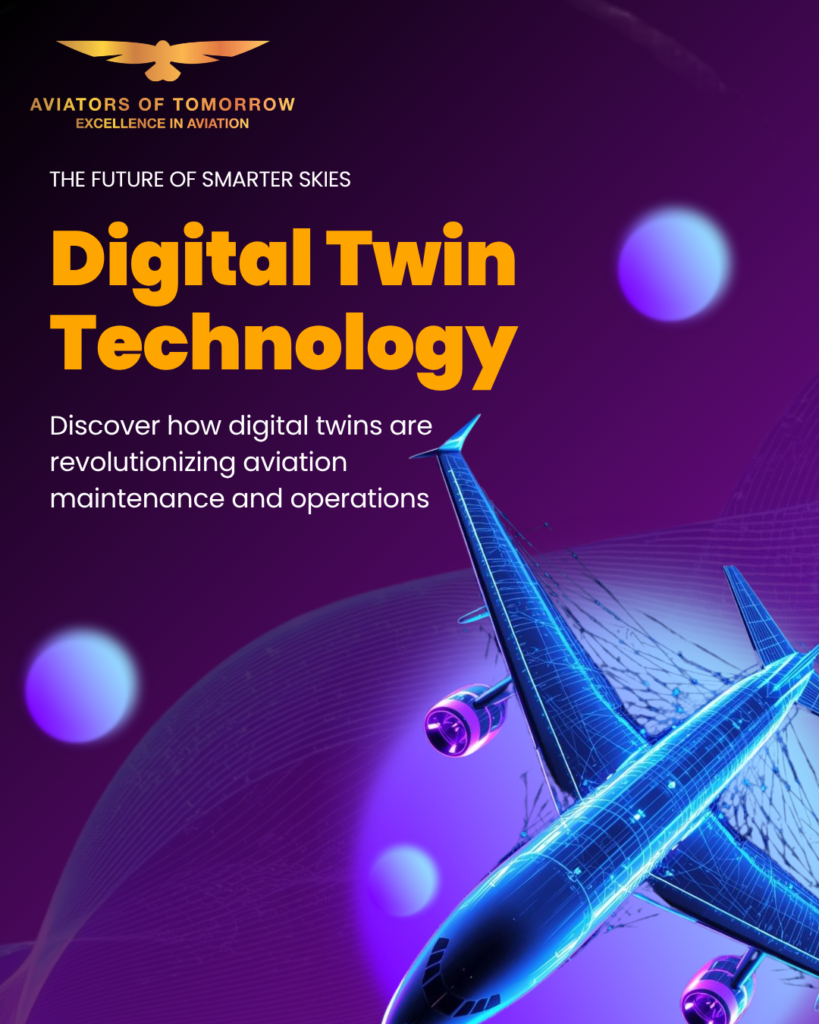
Table of Contents
Why the Aviation Industry Needs Digital Twin Solutions
The aviation industry faces growing pressure to maintain the highest safety standards while managing operational costs and improving efficiency. At the same time, aircraft systems are becoming increasingly complex.
Traditional maintenance models rely heavily on scheduled inspections, which may not always detect early signs of component wear or system degradation. Digital twin technology introduces a more proactive and data driven approach. Digital Twin Technology in Aviation enables airlines to shift from reactive maintenance to predictive and intelligent operations.
Key Capabilities of Digital Twin Systems
- Predictive maintenance that identifies faults before failure occurs
- Real time aircraft monitoring using data from onboard sensors
- Fuel efficiency analysis to improve operational performance
- Fleet health monitoring across multiple aircraft
- Lifecycle management of aircraft components
These capabilities allow airlines and maintenance teams to make informed decisions that improve safety and operational reliability.
How Digital Twin Technology Works in Aviation
Digital Twin Technology in Aviation functions through three integrated layers that combine data collection, simulation and intelligent analysis.
Physical Data Collection
Modern aircraft are equipped with thousands of sensors that monitor engine performance, structural loads, vibration levels, temperature and pressure across critical systems.
These sensors transmit operational data during flight, allowing engineers to analyse aircraft performance continuously. This continuous data flow is a key foundation of Digital Twin Technology in Aviation.
Virtual Modelling and Simulation
Using collected data, advanced software platforms build a dynamic virtual model of the aircraft. Engineers can simulate operational conditions, analyse structural stress and evaluate component performance without physically accessing the aircraft.
This allows maintenance teams to investigate potential issues before they impact real world operations.
Intelligent Data Analysis
Artificial intelligence and advanced analytics evaluate the data generated by the digital twin. These systems detect abnormal patterns, predict component degradation and generate maintenance alerts.
Engineers and fleet managers access this information through digital dashboards that support faster and more accurate decision making.
Key Benefits of Digital Twin Technology in Aviation
Enhanced Aircraft Safety
Digital twin platforms allow engineers to simulate structural fatigue, extreme operating conditions and potential system failures. By identifying problems early, aviation organisations can significantly reduce operational risks.
Reduced Maintenance Costs
Unexpected aircraft downtime can lead to major financial losses. Digital twin systems help prevent these events by identifying component wear before failures occur, allowing maintenance to be planned more effectively.
Smarter Fleet Management
Fleet managers gain real time visibility into the condition and performance of multiple aircraft. This improves maintenance scheduling, resource allocation and aircraft utilisation.
Improved Fuel Efficiency
Digital twin technology analyses flight performance and operational data to identify opportunities for reducing fuel consumption. Even small efficiency improvements can result in significant cost savings across an airline fleet.
Faster Aircraft Development
Aircraft manufacturers increasingly rely on digital twins during the design and testing phases. Engineers can create virtual prototypes and simulate thousands of operational scenarios before manufacturing begins.
Upgrade Your Aviation Knowledge Now
Stand a chance to win 100% scholarship & start training with India’s trusted aviation institute. Apply & Check Eligibility.
Apply Now!Digital Twins Transforming Aircraft Maintenance and MRO
Digital Twin Technology in Aviation is transforming modern Maintenance, Repair and Overhaul (MRO) operations.
Remote Diagnostics
Engineers can analyse aircraft systems remotely using real time digital models that replicate aircraft performance during flight.
Digital Maintenance Records
Maintenance teams can access comprehensive digital histories of aircraft components, allowing more accurate maintenance planning and faster diagnostics.
Improved Maintenance Accuracy
With better data insights and system monitoring, technicians can perform maintenance tasks with greater precision, reducing errors and improving operational efficiency.
Challenges in Implementing Digital Twin Technology
Although digital twin technology offers many advantages, implementing these systems involves several challenges.
Cybersecurity Risks
Aircraft operational data must be protected from cyber threats. Secure digital infrastructure is essential for maintaining aviation system integrity.
Integration with Existing Systems
Older aircraft fleets and legacy maintenance systems may require upgrades to support digital twin platforms.
Initial Investment
Developing digital infrastructure requires investment in sensor systems, data platforms and analytical tools. However, the long term operational benefits often outweigh the initial costs.
Regulatory Adaptation
As aviation technologies evolve, regulatory frameworks must also adapt to support digital transformation within aircraft operations.
Digital Twin Technology and Aviation Regulation
In India, aviation safety and regulatory oversight are managed by the Directorate General of Civil Aviation.
As aviation systems become increasingly digital, regulatory authorities continue to adapt their frameworks to support emerging aviation technologies. Digital Twin Technology in Aviation plays an important role in supporting regulatory compliance and improving aircraft safety monitoring. Advanced monitoring platforms such as digital twins can contribute to improved airworthiness management, more efficient maintenance oversight and stronger safety compliance.
Aviators of Tomorrow Vision
At Aviators of Tomorrow, the goal is to explore emerging aviation technologies and their practical impact on the aviation industry.
Digital Twin Technology represents one of the most significant innovations shaping modern aviation operations. By combining real time data, advanced analytics and simulation tools, digital twins enable aviation professionals to make smarter decisions, improve safety standards and enhance operational efficiency.
Organisations that embrace digital aviation technologies today will help define the future of aviation.
You May Read Our Blog “DGCA Ground Classes and Online Pilot Courses: Which Is Better for CPL in 2026?“
Conclusion
As Digital Twin Technology in Aviation continues to evolve, it will become a fundamental part of future aviation ecosystems. From improving safety and reducing maintenance costs to enhancing fuel efficiency and accelerating aircraft design, the benefits of this technology are substantial.
With regulatory oversight from the Directorate General of Civil Aviation and the increasing adoption of digital aviation systems, the future of aviation operations will be more connected, more efficient and far more intelligent.
Digital twins are not simply an innovation; they represent the next stage in the evolution of modern aviation.
Learn How Digital Twins Are Changing Aviation
Stand a chance to win 100% scholarship & start training with India’s trusted aviation institute. Apply & Check Eligibility.
Apply Now!